How It Works
OverviewShipping ProcessPricesPayment & BookingOpen vs EnclosedTransit TimesPrepare Your CarFAQFor Individuals
OverviewMoving & RelocationJust Bought a CarStudentsMilitary (PCS)Classic & Luxury CarsMotorcyclesOversized & Non-RunningGift or Family TransferFor Business
OverviewDealer ProgramAuction & Marketplace PickupFleet & Rental MovesRecurring LanesBulk QuoteBusiness AccountBusiness ToolsBusiness FAQBecome a CarrierHome / How It Works / Prepare Your Car
How to prepare your car for transport
A checklist before pickup. A little preparation prevents delays, simplifies the inspection, and reduces the chance of misunderstandings during transit.
Up to 100 lbs
Personal items allowed
Photograph everything
Every side, every mark
About ¼ tank
If the car is operational
Keys & instructions
Alarms, special starts
On this page
Personal belongings inside the vehicle
You don’t need to completely empty your vehicle. Personal belongings are permitted inside the car, with a standard allowance of up to 100 lbs. Above 100 lbs, additional charges may apply depending on the carrier’s policy and the extra weight — tell your personal agent in advance if you plan to send more.
All belongings must be placed securely in the trunk or below the window line. Items should not be visible above the windows, obstruct the driver’s view, interfere with the controls, or create a hazard during loading and transport.
Remove your valuables
Cash, jewelry, important documents, electronics, and irreplaceable possessions should come out. Personal belongings are generally not covered by the carrier’s vehicle cargo insurance.
Clean the vehicle before pickup
A reasonably clean exterior makes it easier to inspect the vehicle and identify existing scratches, dents, paint damage, and other visible imperfections. It doesn’t need professional detailing — just remove excessive dirt around the bumpers, doors, and wheels.
A clean vehicle also makes it easier to compare its condition at delivery with the original pickup documentation.
Document the vehicle’s existing condition
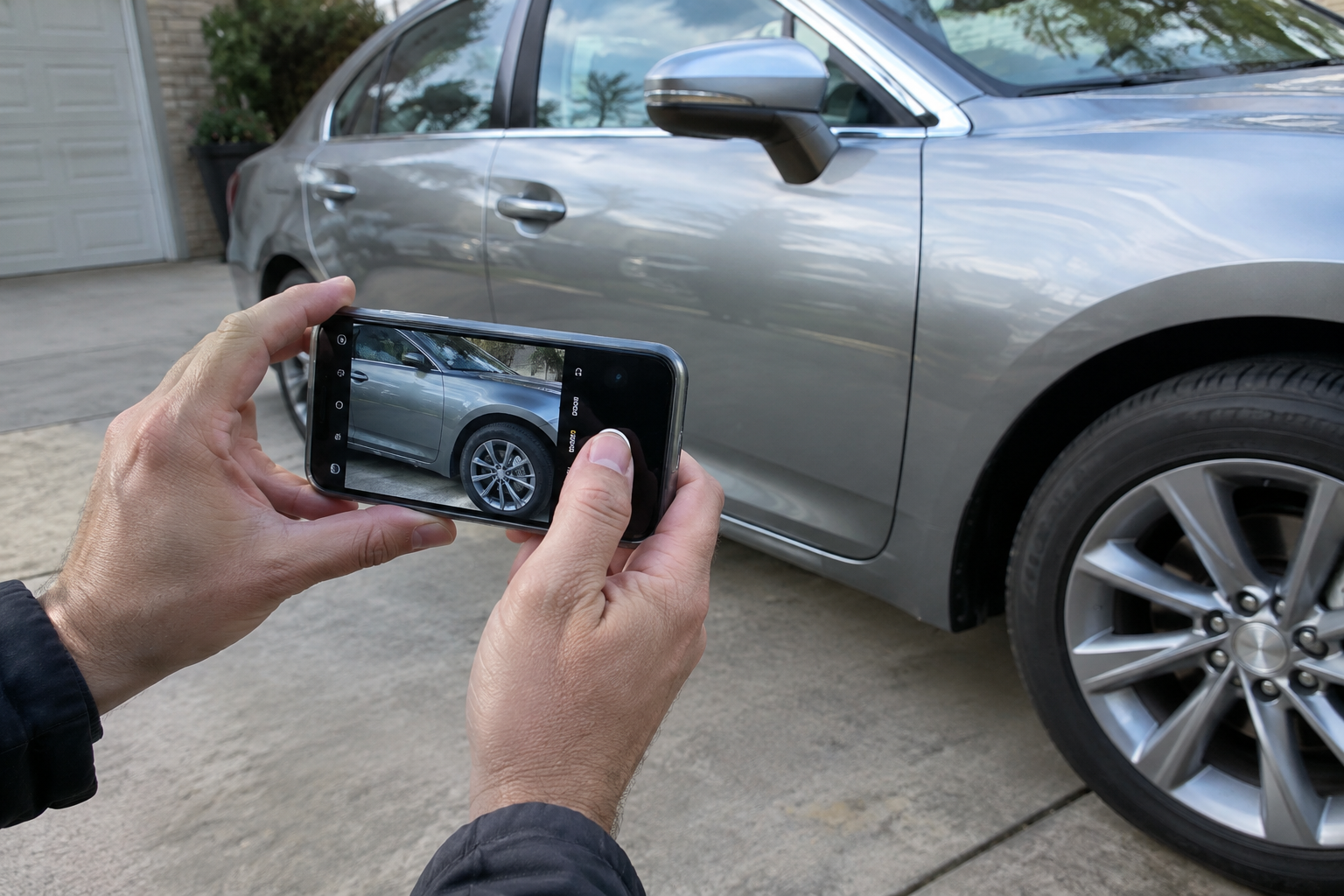
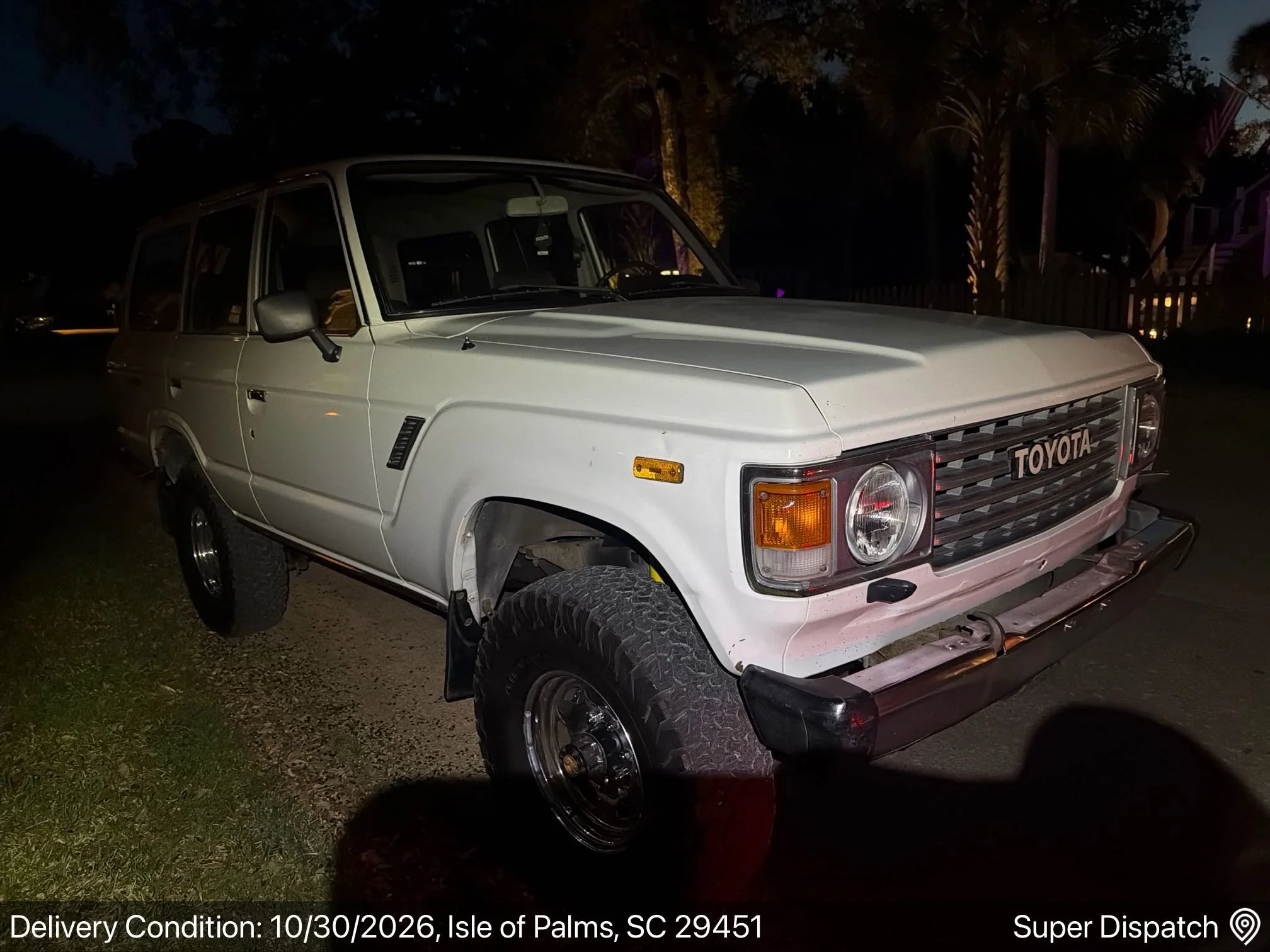
Before the driver arrives, take clear photographs from multiple angles: front, rear, both sides, wheels, windows, roof, and any existing damage. Pay particular attention to scratches, dents, chipped paint, cracked glass, and damaged panels — good lighting gives you a useful visual record.
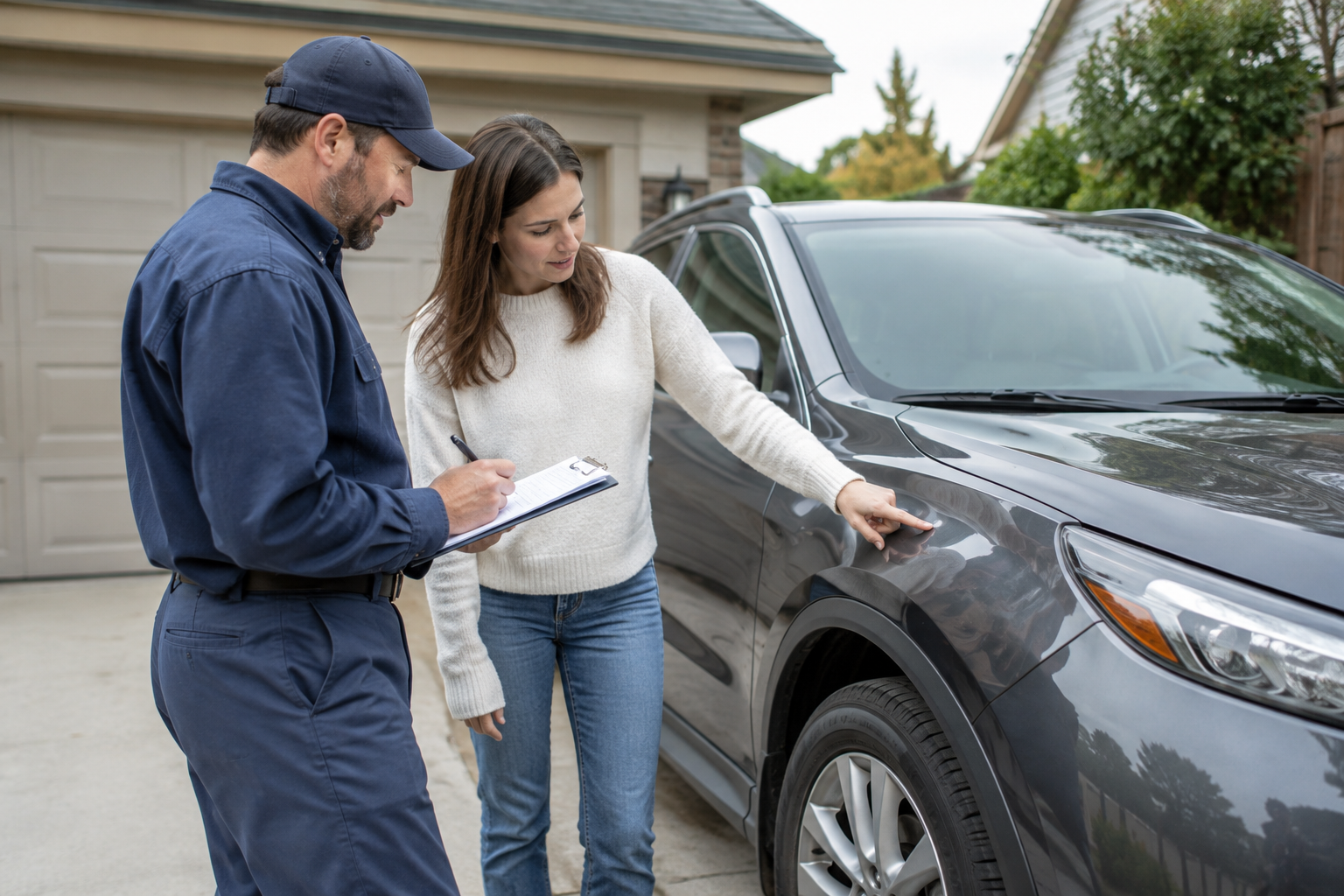
At pickup, the driver records the visible condition on the Bill of Lading. Review it carefully before signing.
Make sure any existing damage is accurately noted on the BOL. Keep a copy of the signed paperwork and your photographs until delivery is completed.
Keep the fuel tank around one-quarter full
For standard operational vehicles, leave approximately one-quarter of a tank. A full tank adds unnecessary weight, while the driver may still need to start or move the vehicle during loading, unloading, or repositioning.
If your vehicle is inoperable or has a fuel-related issue, inform your agent before pickup so the carrier can prepare the right loading equipment.
Check the battery, tires, and vehicle condition
If the vehicle ships as operational, make sure it can start, steer, roll, and brake as expected. Check that the battery is charged, the tires are properly inflated, and nothing mechanical could prevent safe loading or unloading.
Disclose issues before dispatch
A car that won’t start, has flat tires, damaged brakes, steering problems, or can’t roll freely may need a winch or special equipment — which affects carrier availability and cost.
Remove exterior accessories and loose items
Before pickup, remove or secure anything that could detach during transport or that extends beyond the vehicle’s normal dimensions:
Removable antennas
Roof-mounted accessories
Bicycle racks
Detachable spoilers
Loose covers
Disclose aftermarket modifications in advance — lift kits, oversized tires, roof racks, and wide-body kits change height, width, and loading clearance. This is especially important for enclosed transport, where trailers have fixed interior dimensions.
Disable alarms and provide necessary keys
Make sure the driver has the keys needed to access, start, and move the vehicle if it is operational.
If the car has an aftermarket alarm, immobilizer, or security system that could activate during transport, explain how it works. Also let your agent know about special starting procedures, electronic parking brakes, steering locks, or other features that affect loading.
Make sure the pickup location is accessible
The pickup location needs enough space for the carrier to approach, maneuver, load, and secure the vehicle safely. Large transport trucks can’t always access narrow residential streets, low-clearance areas, restricted roads, or tight turning spaces.
If your street isn’t suitable, the driver or dispatch team may arrange a nearby meeting point with enough space. Unsure? Discuss it with your personal agent before the scheduled pickup.
Be available during the pickup
Make sure you or an authorized representative can meet the driver at the agreed time, with access to the vehicle, its keys, and the paperwork — and enough time to complete the inspection and review the Bill of Lading.
Avoid scheduling other commitments too close to the pickup window, as traffic, loading arrangements, and other operational factors can affect the driver’s arrival time.
Final checklist before the driver arrives
Run through these 13 points the day before pickup.
Keep personal belongings within the 100 lbs allowance; additional charges may apply above this limit.
Secure all belongings in the trunk or below the window line.
Remove valuables, cash, important documents, and irreplaceable possessions.
Clean the exterior enough to make existing damage visible.
Take photographs of the vehicle from all sides.
Remove loose exterior accessories and personal equipment.
Leave approximately one-quarter of a tank of fuel, if operational.
Check the battery, tires, brakes, and steering.
Inform your agent about mechanical issues or modifications.
Prepare the keys and any necessary operating instructions.
Confirm that the pickup location is accessible for the carrier.
Be present, or have an authorized representative available.
Review the Bill of Lading carefully before signing.
A little preparation makes a difference
Preparing your vehicle in advance helps pickup run smoothly and gives you and the carrier a clear record of its condition before transportation begins.
If your vehicle has special requirements, modifications, or mechanical issues, let your personal agent know ahead of time so the right arrangements can be made.
Questions before you book?
Call (747) 269-4783 to talk with a coordinator, or request a free quote online. Your price arrives by email.