How It Works
OverviewShipping ProcessPricesPayment & BookingOpen vs EnclosedTransit TimesPrepare Your CarFAQFor Individuals
OverviewMoving & RelocationJust Bought a CarStudentsMilitary (PCS)Classic & Luxury CarsMotorcyclesOversized & Non-RunningGift or Family TransferFor Business
OverviewDealer ProgramAuction & Marketplace PickupFleet & Rental MovesRecurring LanesBulk QuoteBusiness AccountBusiness ToolsBusiness FAQBecome a CarrierHome / How It Works / Open vs Enclosed
Open vs. enclosed car transport
Both methods are widely used across the U.S. The right choice depends on your vehicle’s type, value, dimensions, condition, and the level of protection it needs.
Open transport
Most common and economical
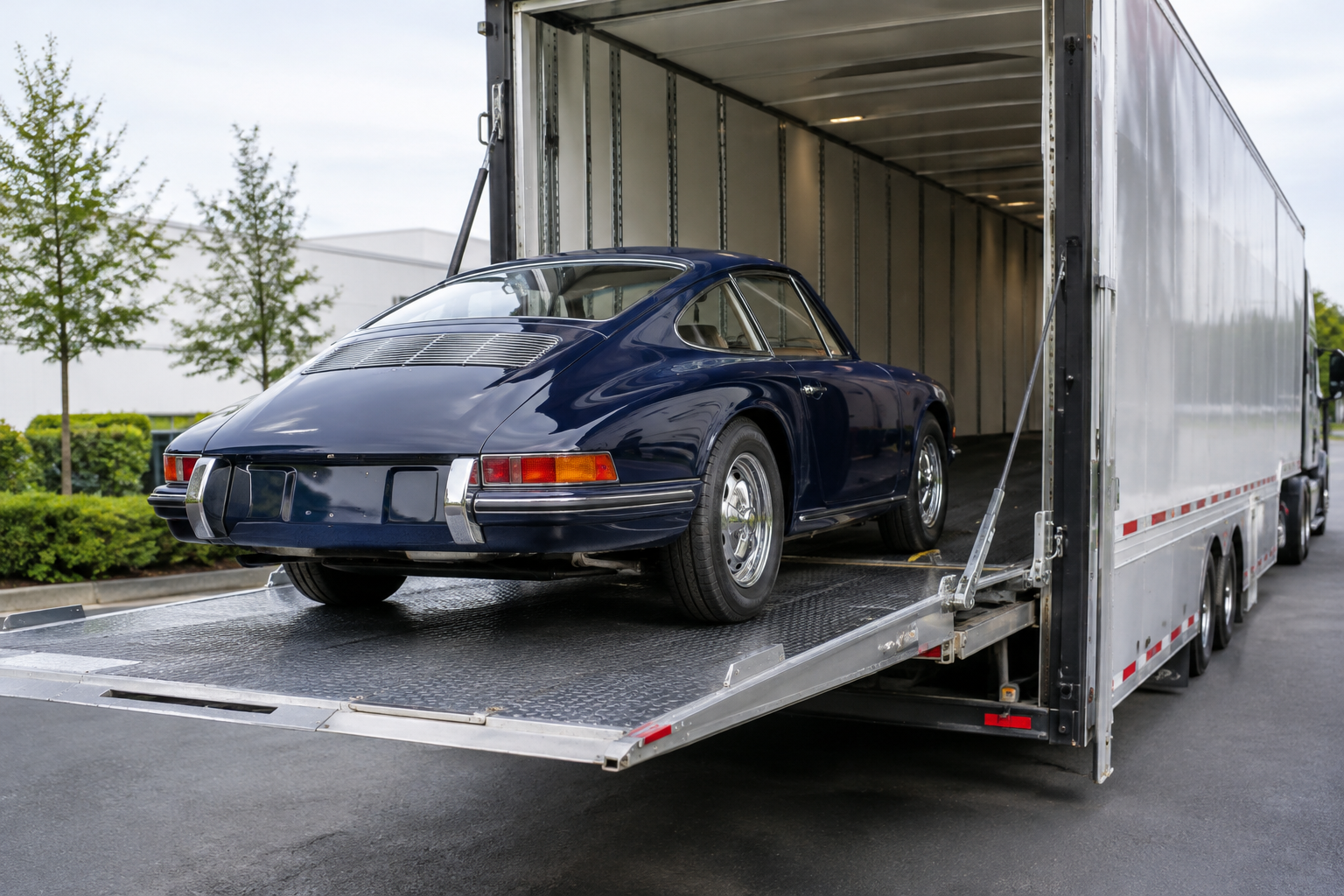
Enclosed transport
Covered, added protection
Fit check first
Height, width and clearance
We help you choose
Based on your actual vehicle
Two ways to ship a vehicle
Enclosed is often seen as the premium option — but it isn’t the right solution for every vehicle.
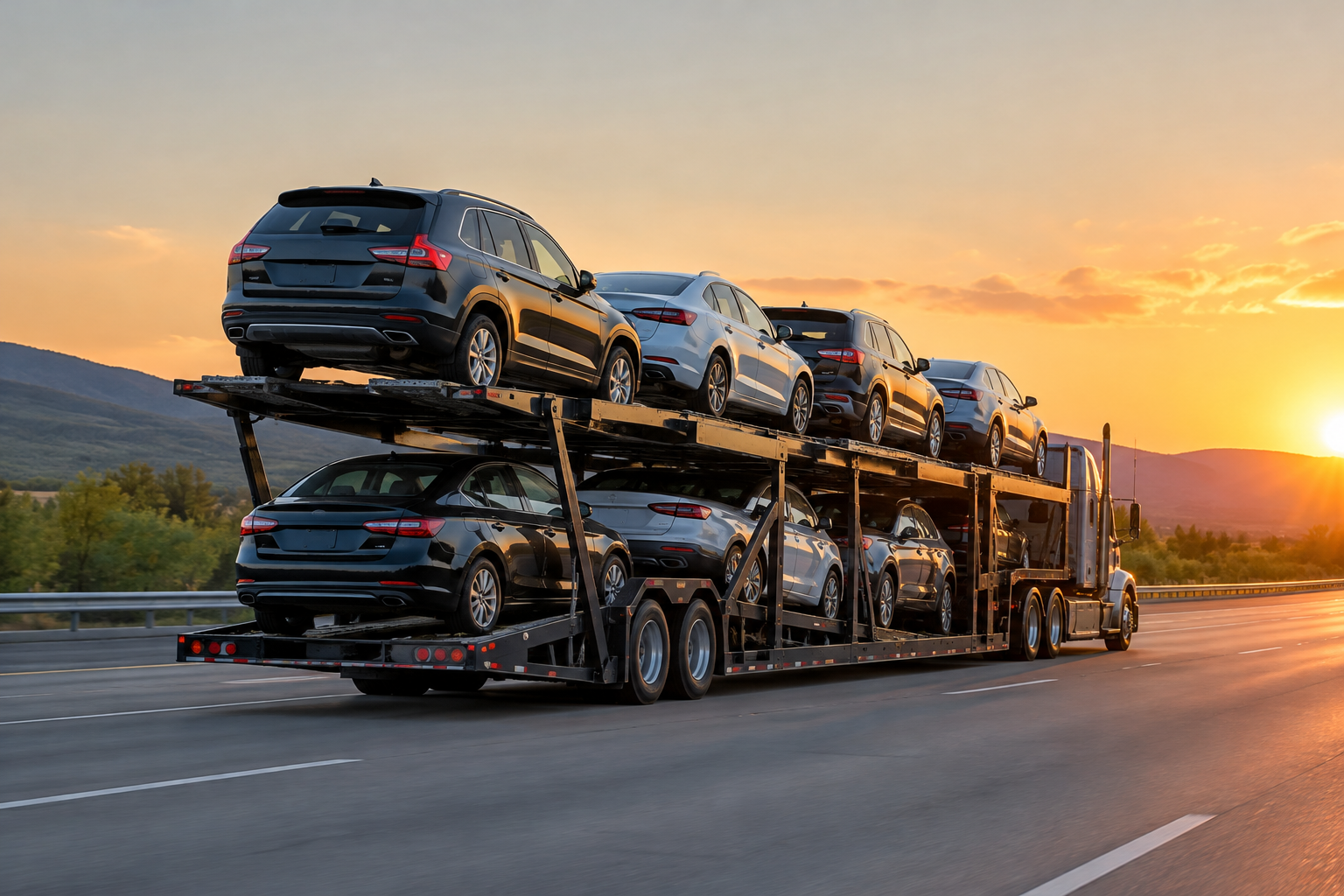
Open car transport
Open-air multi-car trailers moving several vehicles along the same route — the same carriers used between dealerships, auctions, and manufacturers.
Generally lower transportation cost
Widest carrier availability
Exposed to rain, dust and road debris
Best for daily drivers, SUVs and pickups
Enclosed car transport
Trailers with covered sides and a roof that protect your vehicle from weather and road debris, loaded through a rear door or specialized system.
Protection from outdoor exposure
Ideal for delicate or restored finishes
Fewer vehicles per trip, higher price
Interior size and clearance limits apply
On this page
How open car transport works
Open transport is the most common method of vehicle shipping in the United States. Vehicles are loaded onto an open-air carrier, typically a multi-car trailer designed to transport several vehicles along the same route. Because one truck carries multiple vehicles at once, the cost is generally lower than enclosed shipping.
The main consideration is exposure. Vehicles on open trailers experience normal outdoor conditions during transit — rain, dust, road debris, and changing weather. This is a standard part of open transportation and does not mean the vehicle is handled carelessly: drivers use designated loading positions and securement equipment to keep vehicles in place.
For most standard daily-use vehicles, SUVs, and pickup trucks that meet the carrier’s size and weight requirements, open transport provides a practical balance between cost and convenience.
How enclosed car transport works
Enclosed transport uses a trailer with covered sides and a roof, protecting the vehicle from direct exposure to weather and road debris. It is commonly selected for classic cars, exotic vehicles, luxury automobiles, collectibles, and other vehicles where additional protection is a priority.
Enclosed carriers generally transport fewer vehicles and may require specialized equipment, which is why the service typically costs more. It is particularly useful for delicate finishes, restored paintwork, or high-value specifications.
Enclosed doesn’t guarantee a fit
Trailer dimensions, loading clearance, weight limits, and access requirements must all be checked before a carrier is assigned.
The difference in cost and protection
The difference isn’t simply the presence of a roof. It also affects carrier capacity, equipment requirements, availability, and operating costs.
Open transport
Enclosed transport
Capacity per trip
Multiple vehicles — costs shared
Fewer vehicles per trip
Exposure
Normal outdoor conditions
Covered from weather and debris
Availability
Widely available
More limited on some routes
Equipment
Standard multi-car trailers
Specialized trailers and loading
Price
Generally more economical
Generally costs more
Typical use
Daily drivers, SUVs, pickups, dealer moves
Classic, exotic, luxury, collectible
Base the decision on the vehicle and the level of protection it needs — not on the assumption that the more expensive option is always the better one.
Why some cars cannot fit in enclosed trailers
Enclosed trailers have specific interior height, width, length, and weight limits. A vehicle must fit within them not only when parked inside, but also during loading and unloading. Standard passenger cars usually fit; oversized vehicles, lifted trucks, modified SUVs, and vehicles with aftermarket equipment may not. Modifications that change transport dimensions include:
Lift kits
Oversized tires
Wide-body conversions
Aftermarket bumpers
Roof racks
Light bars
Spoilers
A lifted pickup with oversized tires may be too tall to enter an enclosed trailer, even if its factory dimensions would have allowed it. A wide-body vehicle may exceed the interior width, and low ground clearance can make loading difficult because some trailers have steeper approach angles.
In these cases a properly equipped open carrier or specialized trailer may be necessary. Share the year, make, model, and every modification so we can evaluate it before assigning a carrier.
Which option is right for your vehicle?
Everyday vehicles
Open transport is usually a suitable, cost-effective choice for standard carrier specifications.
Classic, exotic & luxury
Enclosed transport adds protection when preserving the exterior matters — if the vehicle fits the trailer.
Modified & oversized
Compare actual dimensions, including every modification, with the carrier’s equipment limits.
There is no single method that works best for every vehicle. The most appropriate option is the one that meets your vehicle’s dimensions, loading requirements, transportation needs, and budget.
What information is needed before choosing a trailer?
Beyond the year, make, and model, mention any modifications that may affect dimensions or loading. For modified or oversized vehicles, these details matter most:
Overall height, including roof accessories and lifted suspension
Overall width, including wide-body kits, extended mirrors and aftermarket equipment
Overall length, including bumpers, spoilers and other extensions
Vehicle weight and any unusual loading requirements
Ground clearance and whether it can be driven onto the trailer
Whether it runs, rolls, steers, and brakes
Photographs help our team understand the vehicle’s configuration and spot loading restrictions — so a carrier never arrives and can’t safely accommodate it.
Making the right transportation decision
Open transportation offers broad availability and practical pricing for most standard vehicles, while enclosed transportation adds protection for vehicles that benefit from a covered trailer.
At KA MegaTrans, we consider your vehicle’s specifications, requirements, route, and carrier equipment. Our goal is a suitable solution — not a trailer that can’t accommodate your vehicle. Whether it’s a daily driver, a classic, a luxury car, or a modified truck, accurate details from the start make the process smoother.
Questions before you book?
Call (747) 269-4783 to talk with a coordinator, or request a free quote online. Your price arrives by email.